About Engine Driven Welder
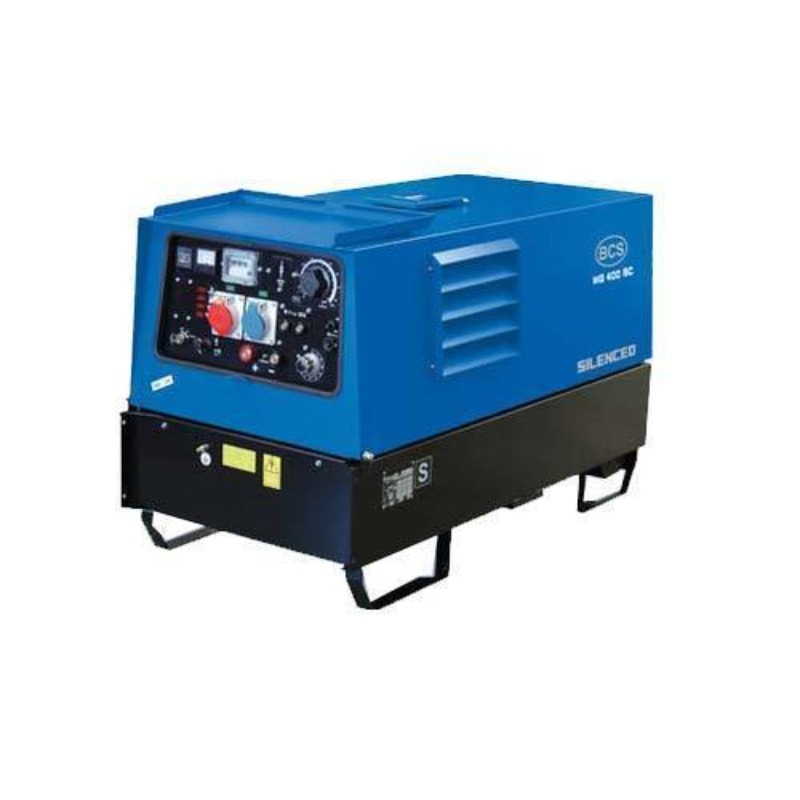
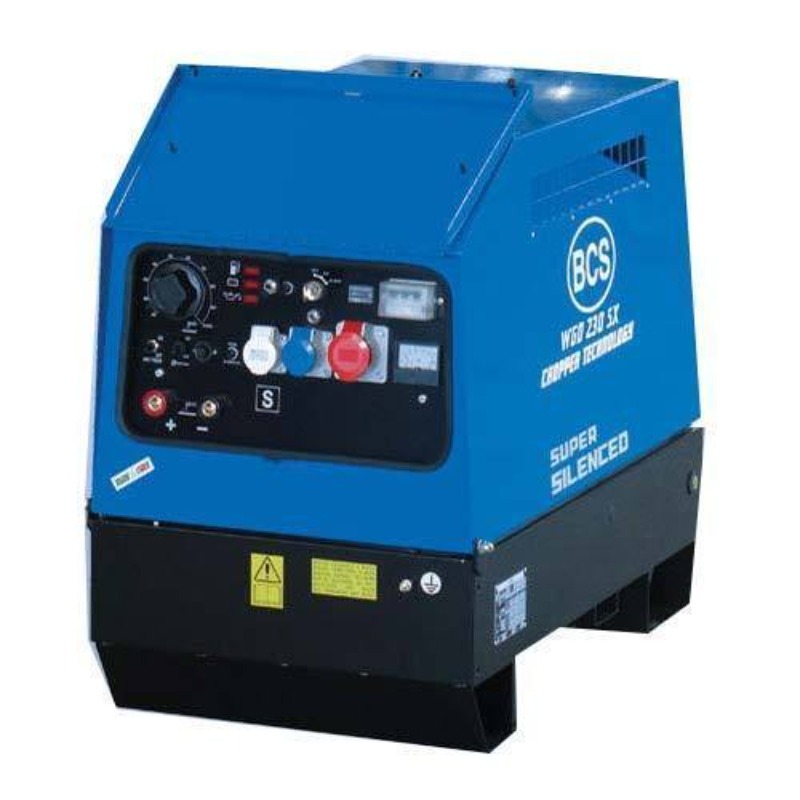
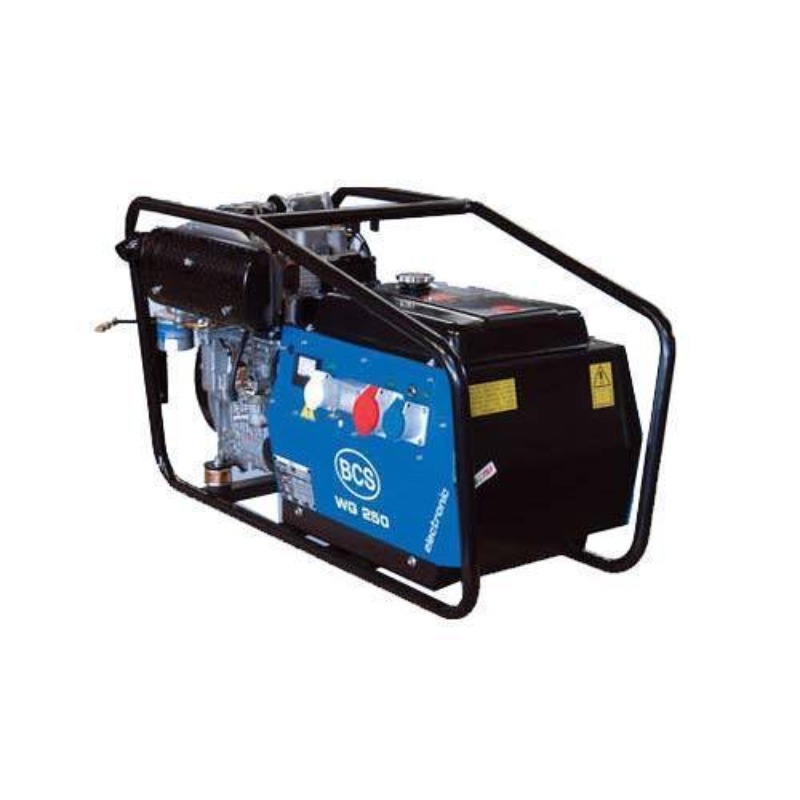
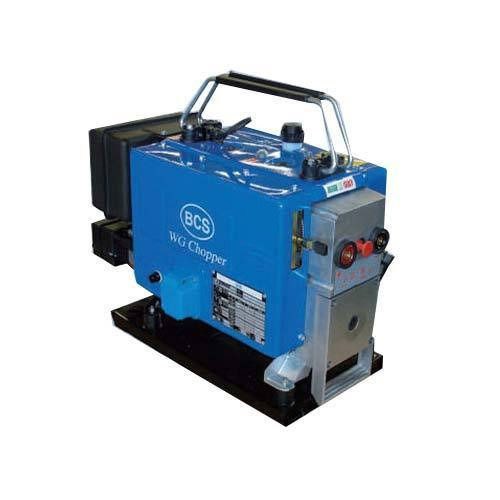
Engine Driven Welder is made for the applications where electric power is not available for the process of arc welding. This is quite useful for the outdoor applications. This is also used for indoor applications and is apt for the applications where it is not convenient to deliver power to electric "plug-in" arc welders. This is included with gasoline, propane fueled engine, diesel for integration with the electrical generator. It makes power for Stick, Flux-Cored, TIG and MIG welding. It is carried on a truck or trailer for its outdoor use.
Specification
- Sockets 1x400V 16A 3P+N+T CEE - 1x230V 16A 2P+T CEE - 1x48V 32A 2P CEE
Versatility for Onsite WeldingDesigned for use in varied environments, the engine driven welder is perfectly suited for onsite welding, industrial fabrication, and repair work. Its diesel-powered engine and trolley-mounted mobility ensure it can be positioned wherever it's needed, empowering users to achieve consistent welding results at remote or challenging locations.
Reliable Safety and ProtectionThis welder features advanced protective mechanisms, including overload and short circuit protection. Users can operate the machine with confidence, knowing that it safeguards both the operator and the equipment during demanding welding jobs. Its moderate noise level of less than 80 dB also promotes safer workplace environments.
FAQ's of Engine Driven Welder:
Q: How does the engine capacity affect the welder's performance?
A: The engine capacity of 10-15 HP ensures sufficient power generation for stable welding operations at 250A. This range supports heavy-duty tasks while maintaining energy efficiency and reliability in diverse onsite and industrial projects.
Q: What are the benefits of a diesel-powered engine-driven welder?
A: Using diesel as fuel provides longer runtime, lower operating costs, and improves efficiency in remote or outdoor locations, since diesel engines are robust and perform well even in demanding job sites.
Q: When should I choose a manual start versus an electric start?
A: Manual start is useful in areas where battery power is limited, while electric start offers greater convenience for frequent operations or when quick restarts are needed, reducing operator fatigue.
Q: Where can this engine driven welder be used most effectively?
A: This welder is ideal for construction sites, industrial workshops, remote repair jobs, and fabrication yards where access to the electrical grid is limited or unreliable, thanks to its mobility and robust build.
Q: What protective features ensure the safety of this welder?
A: The welder is equipped with overload and short circuit protection, which help prevent damage to both the machine and connected devices, ensuring safety during operation especially under heavy loads.
Q: How does the duty cycle impact the welding process?
A: A duty cycle of 60% at 250A means the welder can operate continuously for six minutes out of every ten at full rated current, which is suitable for industrial applications requiring prolonged welds with minimal downtime.
Q: What type and diameter of welding electrodes can be used with this equipment?
A: The welder supports arc welding with electrode diameters up to 6 mm, providing versatility for a range of welding materials and thicknesses in both fabrication and maintenance work.





 Send Inquiry


 Send Inquiry